 VIP
VIP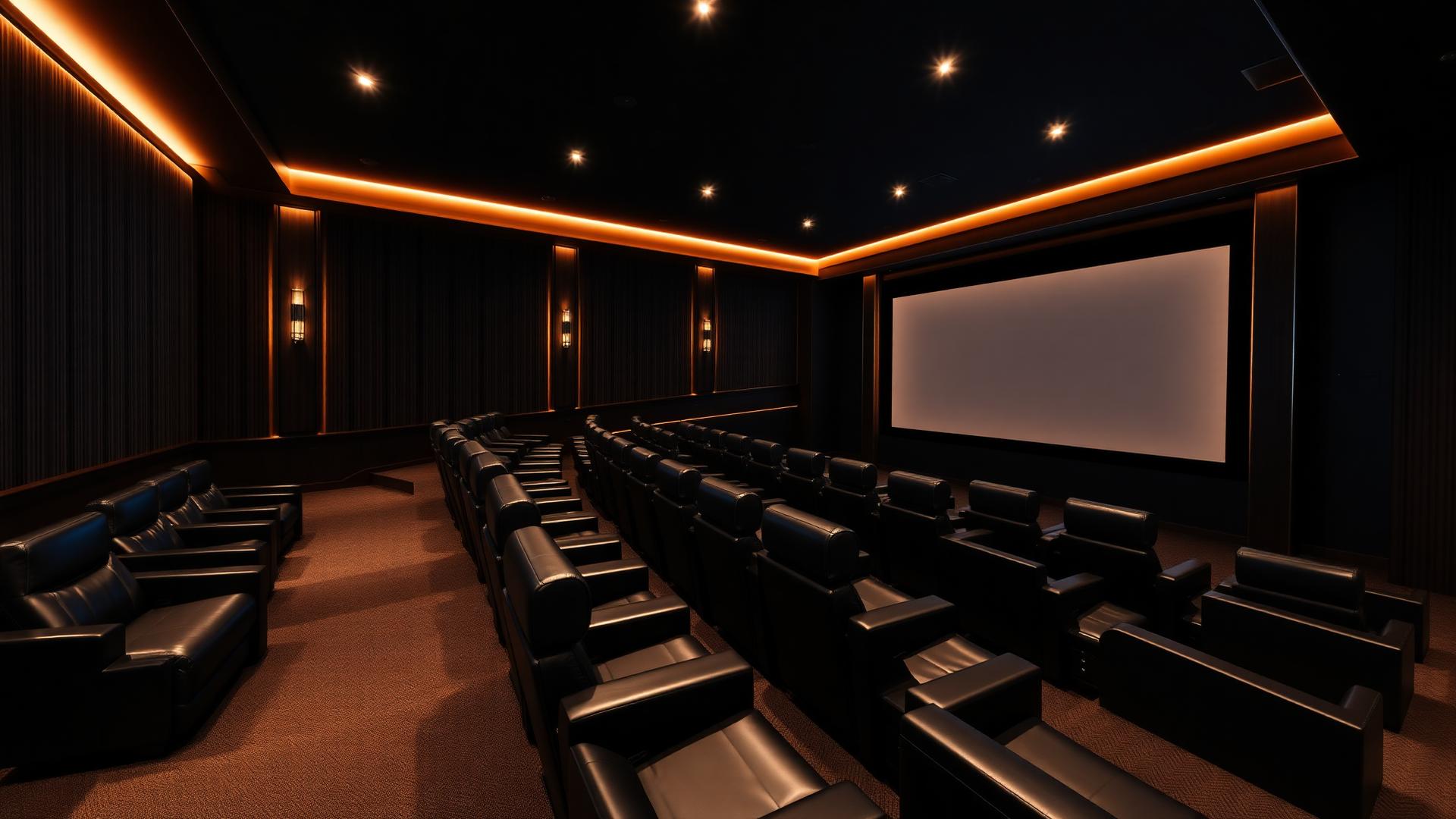
What is home theater seating?
Home theater seating refers to furniture engineered specifically for watching films, sports, and immersive content at home. Unlike traditional living-room sofas, it prioritizes posture, sightlines, recline geometry, and shared features like cup holders, lighting, and integrated power.
Common types
- Single-seat recliners — independent, personal control.
- Modular theater rows — shared armrests and consoles, cinema feel.
- Loveseats & compact pairs — for smaller rooms and couples.
- Sectionals — flexible group seating for blended living rooms.
Layout strategies
A great theater starts with sightlines. Center your primary row at roughly screen-width-and-a-half from the display, then stagger or riser any secondary rows so every viewer sees over the seat in front. Reserve 6–8 inches of wall clearance behind wall-hugger designs and 18–24 inches behind traditional recliners.
Premium vs. standard
Standard seating tends to use bonded leather, simpler mechanisms, and lower-density foams that compress quickly. Premium seating invests in full-grain leather or performance fabrics, dual-motor mechanisms, kiln-dried hardwood frames, and ergonomically tuned foam stacks — meaningfully better over the long arc of ownership.